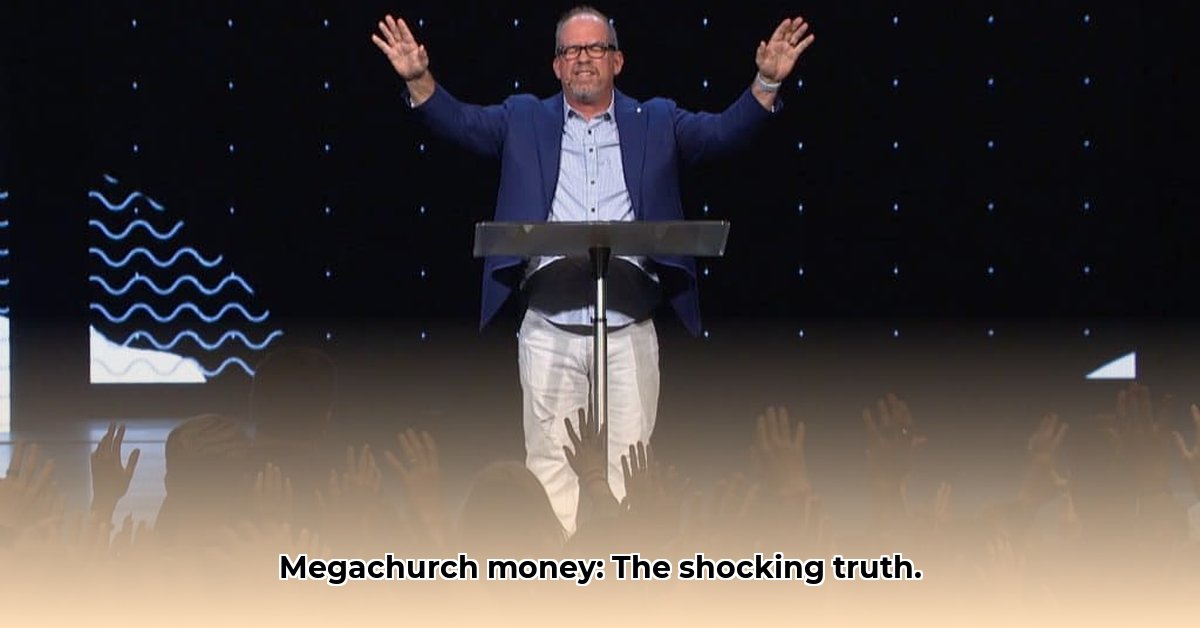
Megachurch Finances and the Question of Transparency
The opulent lifestyles of some megachurch pastors have fueled public scrutiny regarding the intersection of faith, wealth, and financial accountability. While precise figures regarding Greg Surratt's net worth remain undisclosed, examining the broader context of megachurch finances and the utilization of tax exemptions is crucial. This isn't simply about judging personal wealth; it's about responsible stewardship of donated funds. How can we ensure that charitable donations are used ethically and transparently within these large religious organizations?
The Parsonage Puzzle: Luxury Versus Humility?
Many megachurch leaders reside in substantial homes, often designated as "parsonages" (housing provided for clergy, often with significant tax benefits). These parsonages frequently receive substantial tax breaks intended for modest clergy housing. This raises questions about the justification of these tax advantages, particularly in relation to the pastor's overall financial status. While some argue these perks are vital for attracting and retaining prominent religious leaders, critics contend that such lavish accommodations clash with values of humility and simplicity often associated with religious service. The true market value of these parsonages is rarely publicly disclosed. Wouldn't increased transparency in these valuations better serve the public interest?
Tracking the Unseen: Challenges of Transparency in Megachurch Finances
Determining the net worth of Greg Surratt, or any high-profile pastor, presents significant challenges. Public records offer only a partial picture. However, the sheer scale and value of some megachurch leaders' homes—often exceeding expectations associated with a parsonage—raise questions about financial accountability. Where does personal wealth end and church funds begin? This lack of clarity fuels concerns about potential blurring between personal enrichment and religious work.
This lack of clarity highlights a larger problem: the absence of transparency within many megachurches. The lack of widespread independent audits hinders the public's ability to track how donations are utilized. This raises concerns for donors contributing their hard-earned money to support their faith communities. A fundamental right of donors is the knowledge of how their contributions are deployed. The absence of this information fuels the growing demand for enhanced oversight and accountability.
Beyond the Numbers: Theological Considerations and the Prosperity Gospel
The "prosperity gospel" (a belief system linking financial success to divine favor) significantly complicates this issue. While this theology isn't inherently problematic, critics contend that it can inadvertently legitimize or even encourage lavish lifestyles, hindering critical examination of financial practices within religious circles. Considering the potential influence of this theology, how do we ensure responsible financial stewardship within this framework?
Possible Solutions: Towards Greater Accountability
Several steps could enhance financial transparency and accountability in megachurches:
Strengthened Regulations: The IRS and state agencies require increased resources and improved tools for overseeing tax exemptions related to religious organizations. Consistent, nation-wide guidelines are paramount.
Enhanced Church Transparency: Megachurches should proactively embrace greater financial openness. Publicly releasing financial statements, detailed compensation information, and property ownership details would significantly bolster public trust.
Empowered Donors: Donors should conduct diligent research and vetting of churches before making contributions. A thorough understanding of a church's financial practices is crucial. Proactive questioning, seeking transparency reports, and diversifying donations to financially transparent organizations are crucial actions to promote accountability.
The Media's Role: Investigative journalism plays a vital role in holding religious institutions accountable. Such scrutiny can expose potential problems and encourage necessary reforms.
A Holistic View: The Broader Implications
The focus on Greg Surratt's net worth symbolizes a broader need for ethical leadership and financial accountability within megachurches. Restoring and maintaining public trust necessitates a commitment to transparency and responsible stewardship of donated funds. Without this commitment, concerns about conflicts of interest and potential misuse of funds will persist. The current system allows substantial ambiguity – a situation demanding changes from all stakeholders.
Fair Market Value of Megachurch Parsonages: A Complex Issue
Accurately determining the fair market value (FMV) of a megachurch parsonage presents significant challenges. It requires a multifaceted approach and the application of multiple valuation methods. Unique considerations apply due to both tax exemptions and the specific use of the property. Accurate assessment is pivotal both for compliance and financial transparency. Professional appraisal and thorough documentation are crucial to minimize risk and ensure legal compliance. The lack of transparency in this area only exacerbates the existing concerns.